 info@gkvllp.com
The modern workplace is evolving faster than ever before. Businesses are no longer designing offices simply to accommodate employees—they are creating environments that inspire creativity, improve collaboration, strengthen company culture, and enhance overall productivity. As organizations embrace hybrid work models and changing employee expectations, office interiors have become a strategic investment rather than just an operational expense.
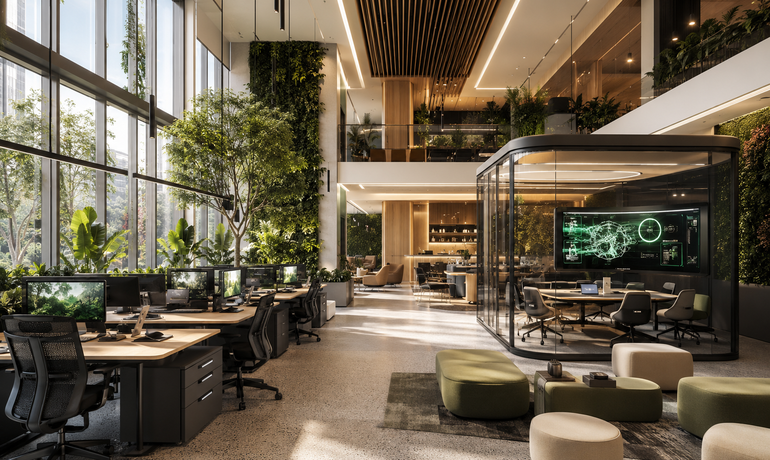
In 2026, office interior design is all about creating intelligent, flexible, and sustainable workspaces that support both business performance and employee well-being. Companies are looking for designs that reflect their brand identity while offering comfort, functionality, and future-ready solutions.
At GKV LLP, we specialize in designing commercial spaces that combine aesthetics with functionality, helping businesses create workplaces where employees thrive and clients feel confident.
Why Office Interior Design Matters
An office is more than just a place to work. It influences how employees perform, communicate, and feel throughout the day. A thoughtfully designed workspace can improve focus, reduce stress, and encourage collaboration while leaving a lasting impression on visitors and clients.
Modern office interiors also contribute to talent attraction and employee retention. People enjoy working in spaces that are comfortable, inspiring, and equipped with modern amenities.
1. Flexible Workspaces Are Becoming the New Standard
Traditional office layouts with fixed cubicles are gradually being replaced by flexible work environments. Businesses today require spaces that can easily adapt to changing team sizes and work styles.
Flexible offices may include:
- Modular workstations
- Hot-desking areas
- Collaboration zones
- Quiet focus rooms
- Multi-purpose meeting spaces
This flexibility allows organizations to maximize available space while improving employee interaction and productivity.
2. Sustainable Interior Design Takes Centre Stage
Environmental responsibility has become a major priority for modern businesses. Sustainable office design helps reduce environmental impact while creating healthier work environments.
Popular sustainable design choices include:
- Recycled and eco-friendly materials
- Energy-efficient LED lighting
- Low-VOC paints
- FSC-certified wood products
- Water-saving fixtures
- Natural ventilation
Besides supporting sustainability goals, these features often reduce long-term operational costs.
3. Biophilic Design Brings Nature Indoors
One of the strongest trends in office interiors is biophilic design, which focuses on integrating natural elements into the workplace.
Examples include:
- Indoor plants
- Living green walls
- Natural wood finishes
- Stone textures
- Large windows for daylight
- Indoor courtyards
Research has shown that exposure to nature-inspired environments can reduce stress, improve creativity, and enhance employee satisfaction.
4. Smart Technology Integration
Technology continues to reshape workplace design. Modern offices are becoming smarter with integrated systems that improve efficiency and convenience.
Smart office features include:
- Automated lighting controls
- Motion sensors
- Smart meeting rooms
- Wireless presentation systems
- Digital room booking displays
- Access control systems
- Intelligent climate control
These technologies improve operational efficiency while creating a seamless workplace experience.
5. Employee Wellness Is a Design Priority
Healthy employees are productive employees. Companies are increasingly investing in office features that support physical and mental well-being.
Wellness-focused design elements include:
- Ergonomic furniture
- Height-adjustable desks
- Relaxation lounges
- Wellness rooms
- Fitness spaces
- Quiet zones
- Better indoor air quality
Creating a healthier workplace leads to higher employee engagement and reduced absenteeism.
6. Acoustic Comfort Matters More Than Ever
Open-plan offices encourage collaboration but often create noise-related distractions.
Modern office interiors now incorporate:
- Acoustic wall panels
- Sound-absorbing ceilings
- Carpet tiles
- Private meeting pods
- Phone booths
- Noise-control partitions
Improved acoustics allow employees to concentrate while maintaining collaborative environments.
7. Brand Identity Through Interior Design
An office should reflect a company’s personality and values.
Brand-focused interiors often feature:
- Company colours
- Custom signage
- Feature walls
- Reception branding
- Branded meeting rooms
- Inspirational graphics
These design elements strengthen company culture while creating memorable experiences for clients and visitors.
8. Collaborative Spaces Encourage Innovation
Innovation often happens through interaction. That’s why modern offices include dedicated collaboration zones designed to encourage teamwork.
Popular collaborative spaces include:
- Informal meeting lounges
- Brainstorming rooms
- Café-style seating
- Project collaboration hubs
- Open discussion areas
These environments help teams communicate more effectively and generate creative ideas.
9. Premium Reception Areas
The reception area is often the first thing visitors see. A professionally designed entrance creates confidence and establishes credibility.
Modern reception areas typically include:
- Elegant reception desks
- Comfortable waiting lounges
- Premium lighting
- Digital displays
- Green décor
- Company branding
- Modern artwork
A welcoming reception creates a strong first impression that reflects professionalism and attention to detail.
10. Minimalist Design with Maximum Functionality
Minimalism continues to dominate commercial interiors because it creates clean, organized, and efficient workspaces.
Key characteristics include:
- Neutral colour palettes
- Hidden storage
- Clean lines
- Simple furniture
- Clutter-free layouts
- Functional décor
Minimalist offices not only look sophisticated but also improve focus by reducing visual distractions.
How GKV LLP Can Help
Every business has unique workspace requirements. Whether you’re planning a new office, renovating an existing workplace, or expanding your commercial space, professional planning ensures the best results.
At GKV LLP, we provide comprehensive office interior solutions that combine creativity, functionality, and quality craftsmanship. From concept development and space planning to furniture selection and project execution, we create workplaces that reflect your business goals and enhance employee performance.
Our team focuses on delivering modern, practical, and visually appealing office environments tailored to your specific needs.
Frequently Asked Questions
How often should an office interior be updated?
Most businesses consider a renovation every 5–10 years, depending on business growth, employee needs, and wear and tear.
Is sustainable office design expensive?
While some eco-friendly materials may involve a higher initial investment, they often reduce long-term operating and maintenance costs.
Why is ergonomic furniture important?
Ergonomic furniture improves posture, reduces physical strain, and helps employees remain comfortable and productive throughout the workday.
Can office interiors improve employee retention?
Yes. Comfortable, attractive, and functional workspaces contribute to employee satisfaction, which can positively influence retention and overall workplace morale.
Conclusion
Office interior design in 2026 is about creating workspaces that balance innovation, sustainability, and employee well-being. Businesses that invest in modern office environments are better positioned to improve productivity, strengthen their brand image, and attract top talent.
Whether you’re designing a new corporate office or renovating an existing workspace, partnering with experienced professionals ensures every detail contributes to a functional and inspiring environment.
Ready to transform your office into a smarter, more productive workspace? Contact GKV LLP to discuss your office interior design project and discover solutions tailored to your business needs.